
Turnkey EV Charging Infrastructure for Commercial Fleets
Camber Charging delivers depot charging solutions for some of the most demanding commercial environments in North America from drayage trucks cycling through port terminals to last-mile delivery vans returning to urban distribution centers every evening. Commercial fleet electrification is more than an equipment purchase. It requires right-sizing electrical capacity, managing utility upgrade timelines, navigating incentive programs, and ensuring infrastructure can scale as your fleet does. Our commercial clients choose Camber because we reduce project risk, accelerate timelines, and deliver infrastructure that performs reliably when the pressure is on.
Electrification Pressure Is Moving Faster Than Infrastructure.

Your Pressure:

Your Reality:
Built for Commercial Fleet Operations

Ports & Intermodal

Last-Mile Delivery

Regional Haul

Commercial Fleets
Why Camber for Commercial Fleet Electrification?
98% Uptime Guarantee
When your trucks need to roll at 5am, your charging infrastructure can’t be down. We guarantee 98% uptime with redundant systems, 24/7 monitoring, and rapid response protocols engineered for the demands of commercial depot operations.

Industry Expertise
We understand duty cycles, shift structures, and the economics of commercial fleets. Our team has delivered charging infrastructure for ports, distribution centers, and freight depots—environments where complexity is the norm and timelines are tight.
Turnkey Project Management
From site assessment through energization, we manage utility coordination, permitting, construction, and commissioning. Proactive monitoring and load management keep systems performing at peak as your fleet scales.

Grant & Funding Support
HVIP, DERA, CARB incentives, port-specific programs, and utility rebates can cover a significant share of infrastructure costs, but only if you know where to look and how to apply. We identify applicable programs, navigate requirements, and maximize your funding stack before deadlines close.

How We Build Your Charging Infrastructure
Commercial Fleet Electrification Resources
Featured Guide:
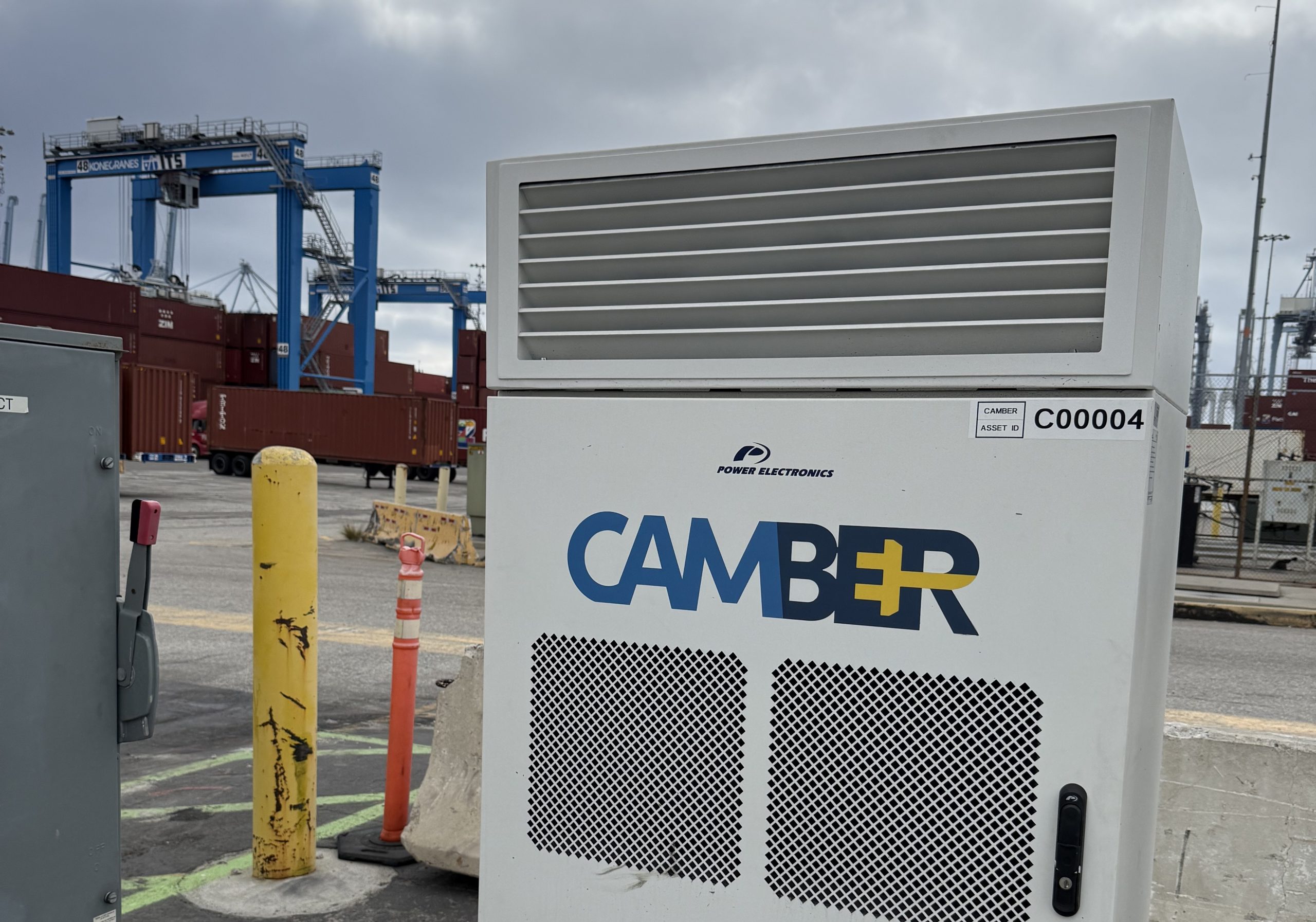
Port Electrification Infrastructure: Planning for Cargo Handling Equipment
Port terminal electrification is unlike any other fleet charging project. Your cargo handling equipment never leaves the facility — meaning your on-site infrastructure has to work every shift, no exceptions. Learn how to assess your true power needs, navigate utility timelines, and design a depot that scales with your fleet.

Experience That Delivers
1700+
DC Fast Charger
Ports Deployed
36
States and
Provinces
50
GWh of EV
Batteries Charged
60
Million Miles Heavy Duty EVs Travelled
2
Million Hours of Charging Sessions
News You Can Use
-
When your student paper criticizes your campus EV rollout
UC Irvine’s plan to electrify its shuttle fleet had all the right … Read more
-
Why an EV fleet is an easy win for campus sustainability
Bottom line: your campus sustainability goals need to be met. Now comes … Read more


Fleet Charging Incentives & Grants
Charging infrastructure incentives can significantly offset your upfront costs — but knowing which programs apply to your fleet, location, and vehicle type isn’t always straightforward. We’ve done the research for you. Explore active federal, state, and utility incentive programs currently available for commercial and public fleet electrification.
FAQ?
Readiness depends on available electrical capacity, vehicle duty cycles, return-to-base patterns, and access to incentive funding. A depot feasibility assessment evaluates these factors and identifies the fastest, most cost-effective path to electrification.
Most projects take 9–18 months from initial assessment to energization. Timeline is primarily driven by utility upgrade complexity—some commercial depots require significant electrical service upgrades that add lead time. We work to accelerate every phase we control.
Yes, and we recommend it. We design infrastructure with scalability built in so initial installations expand without requiring full system redesigns or costly retrofits as your fleet electrification progresses.
Programs vary by location and vehicle class, but commonly include HVIP (California), EPA DERA grants, CARB incentive programs, port community mitigation funds, utility rebates, and federal IRA tax credits. Combined, these can offset 40–70% of infrastructure and vehicle costs in many cases.
Unmanaged charging at commercial depots can spike demand charges significantly. Our load management and energy management systems schedule charging around your operational windows and utility rate structures to minimize peak demand and reduce monthly utility costs by 30–40%.
ROI timelines vary by fleet size, fuel costs, and available incentives, but commercial operators typically see positive ROI within 4–7 years. Incentive funding, fuel savings, and reduced maintenance costs all contribute to the business case.
Regional haul and drayage trucks typically require 150–350 kW per vehicle to support daily mileage demands. We analyze your route data, vehicle specs, and operational schedules to right-size power levels and avoid over- or under-building.
Yes. We design multi-power-level depot solutions with intelligent load balancing across vehicle classes, ensuring each vehicle type gets the power it needs without overloading your electrical service.
Our 98% uptime guarantee is backed by redundant systems, 24/7 remote monitoring, and rapid on-site response. We engineer depot infrastructure so a single equipment failure doesn’t strand your entire fleet.
Port drayage trucks face demanding duty cycles with multiple loads per day and high daily mileage—often 150–250 miles. Infrastructure must support high-power charging (200–350 kW) with fast turnaround, coordinated with gate and dispatch schedules.
High-density last-mile depots require careful load management to avoid oversizing the electrical service. We use smart charging systems that sequence and prioritize vehicles overnight based on next-day route demands, minimizing infrastructure cost while ensuring every vehicle is charged by dispatch time.
